
The Communist Party has deep roots across Massachusetts, from the unemployment councils of the Great Depression, to the struggle to desegregate Boston’s public schools, to decades of labor militancy in Pittsfield.
We have a long history of struggle in the electoral arena, fighting not only to put Communists, workers and allied progressive forces into public office, but to expand the democratic terrain for working people of all races, genders and nationalities. We put forward an unapologetic analysis of the crises of capitalism and the prospects of their resolution through the leadership of the working class and its progressive, democratic allies.
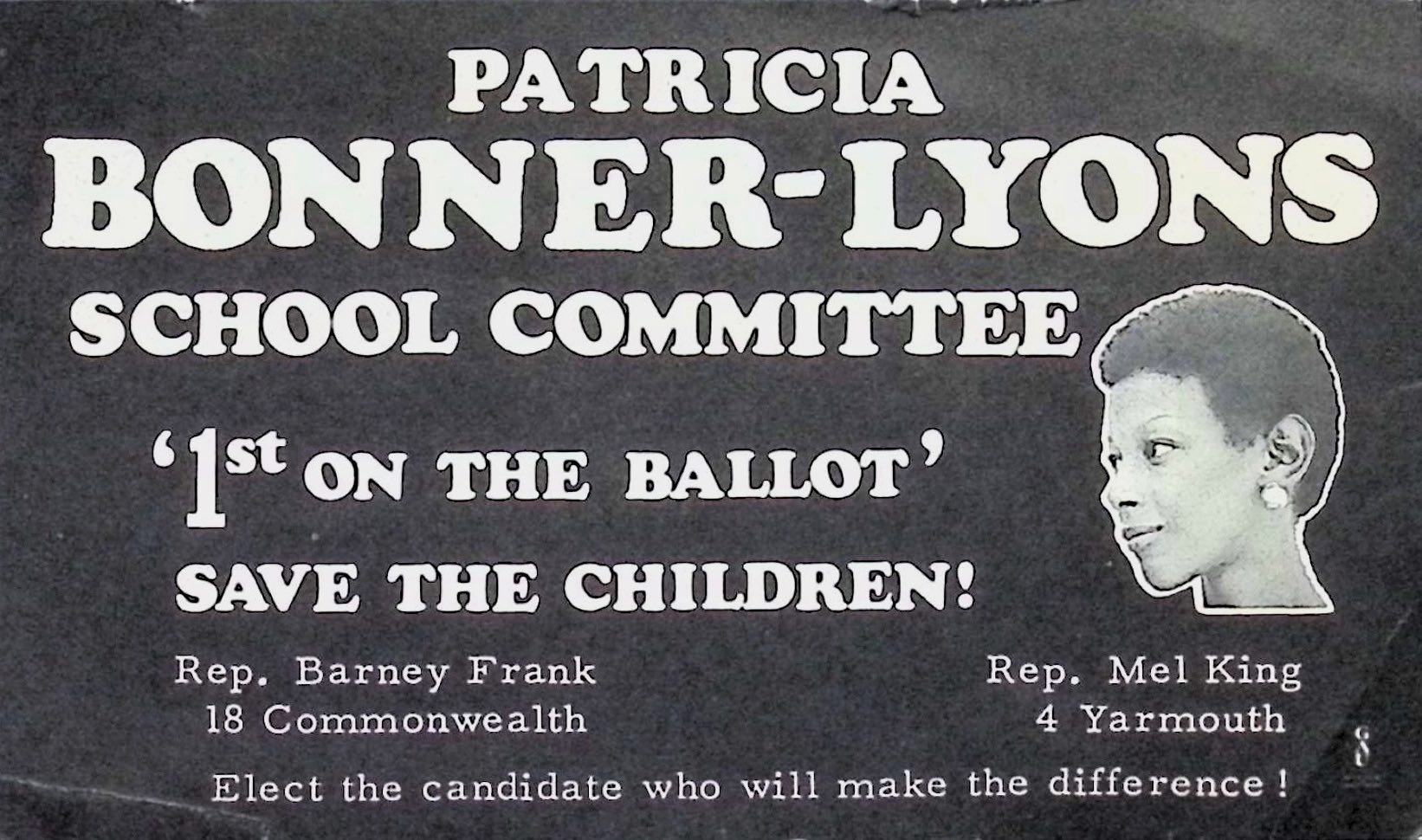
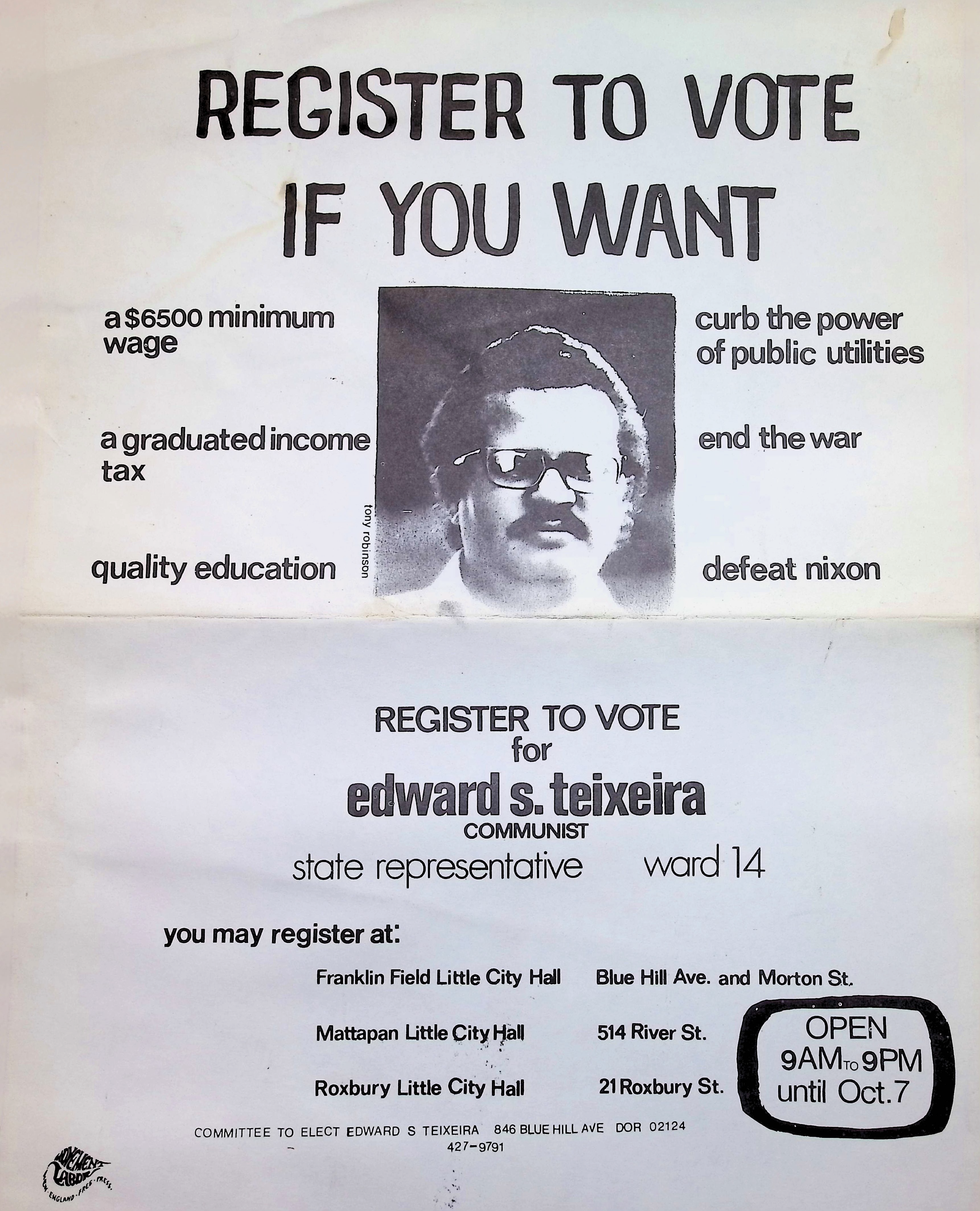
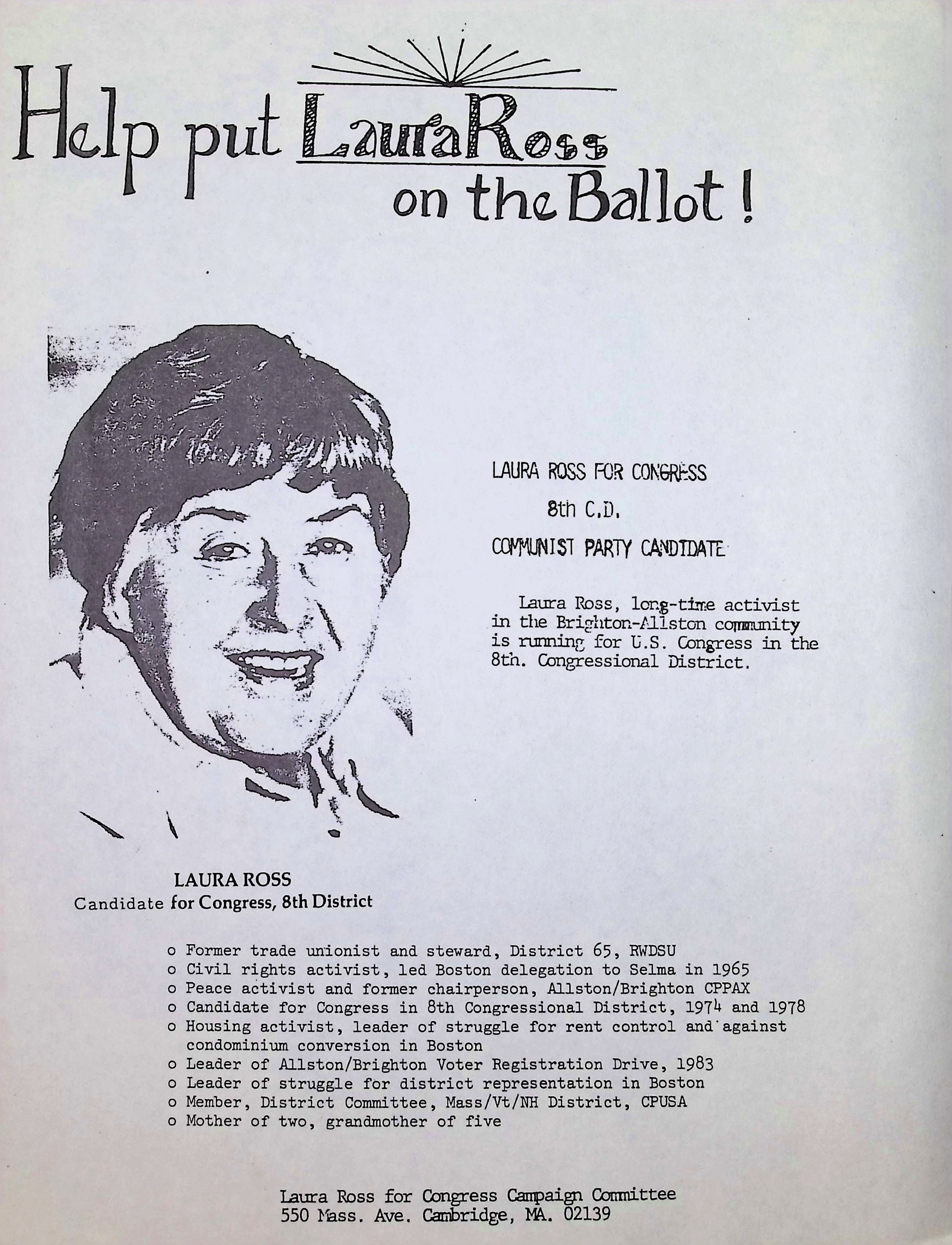
Drawing from the circulation of young workers and students between the western and eastern parts of the state, the Young Workers’ Liberation League, later reconstituted as the Young Communist League (YCL), built powerful campaigns rooted in the social needs and demands of young people. Regularly visited by national Party leaders and Communist presidential campaigns, thousands of students at UMass Amherst turned out for speaking engagements on campus from the 1960s to the 1980s, fighting for the Party’s (and their own) rights to free speech in the process. In the context of the mass anti-apartheid movement of the 1980s, UMass YCL’s successful effort to end CIA recruitment on campus set a national precedent which shapes the terrain of student organizing to this day. The YCLs at Smith and Mount Holyoke Colleges continue this tradition of youth organizing in the River Valley.
Though our political tradition has profoundly shaped the trajectory of our state, setbacks of both local and global working-class movements taken during the later decades of the 20th century have shaped our course as well. Despite tremendous advances of the civil rights movement in desegregating society, our racist tax structure has endured, allowing municipal property taxes to control provision of public goods. Though progressive movements in Massachusetts united against the surge of Reaganism, the reactionary tide oversaw the implementation of Proposition 2 1/2, tightening the vise on public resources as the Reagan administration slashed federal funding. With the fall of the Soviet Union, some Party clubs dissipated or shrank, while the decline of major industries decimated union power in Berkshire and Franklin counties — just as the collapse of milling, paper and textile sectors had caused mass displacement and precarity for workers in Massachusetts decades prior.
The Western Massachusetts club formed in 2022, building on the decades-long legacy of the DuBois club in Amherst. Though we, along with the Hampden County club, represent the western region of the state, our structure is designed to produce new, thriving clubs and collectives of working people all throughout Massachusetts. Our work in progressive, democratic and anti-austerity movements marks a direct continuation of the Marxist-Leninist tradition in Massachusetts — to build working-class unity and leadership of the movement that can defeat MAGA fascism and advance toward socialism.
 Western Massachusetts CPUSA